Case Study 3

Balancing User Needs and Technical Constraints to Drive Strategic Priorities

Balancing User Needs and Technical Constraints to Drive Strategic Priorities

Balancing User Needs and Technical Constraints to Drive Strategic Priorities

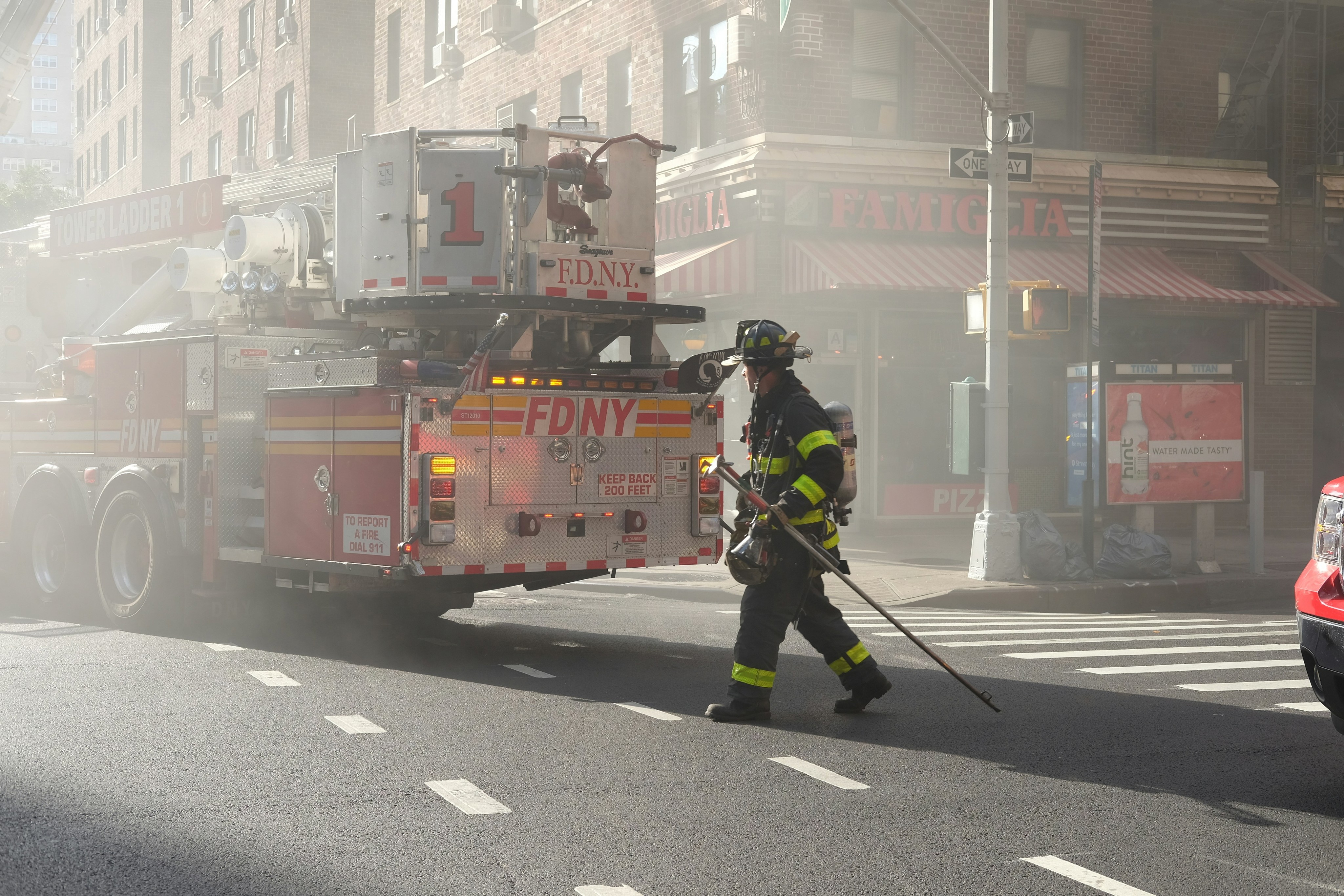
man in green and black jacket holding black stick standing on pedestrian lane during daytime

Background

Background

Background

As Lead Product Designer for a logistics management software suite, I worked on solutions helping EMS and Fire agencies manage their medical supplies, equipment, and assets across three core products: Assets, Inventory, and Checklists.
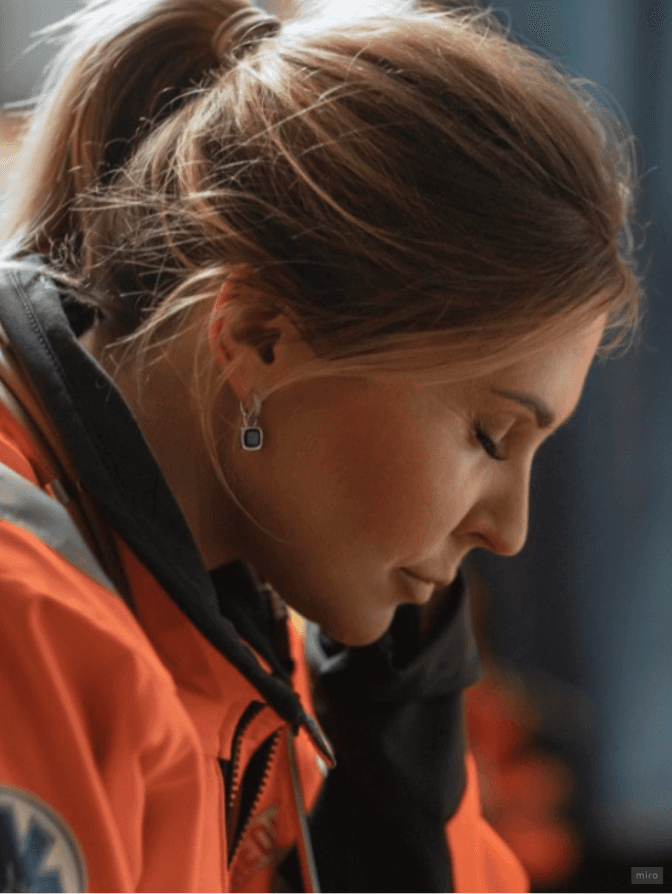
Paramedic
Paramedic
Paramedic

Understanding the problem to solve

Understanding the problem to solve

Understanding the problem to solve

Users conducting daily vehicle checks reported low satisfaction with the existing workflow. Our research revealed a fundamental mismatch: the application didn't align with users' mental models or reflect how they actually performed supplies, equipment, and asset checklists in the field.


Adding to this frustration users had to switch between two separate applications - Checklists for their vehicle / equipment checks and Inventory for medical supplies checks. This fragmented experience was limiting both new customer acquisition and product adoption.


Users conducting daily vehicle checks reported low satisfaction with the existing workflow. Our research revealed a fundamental mismatch: the application didn't align with users' mental models or reflect how they actually performed supplies, equipment, and asset checklists in the field.


Adding to this frustration users had to switch between two separate applications - Checklists for their vehicle/equipment checks and Inventory for medical supplies checks. This fragmented experience was limiting both new customer acquisition and product adoption.

Constraints

Constraints

Constraints

Working with the product manager, we identified this workflow as a significant pain point affecting many users. Given competing priorities, stakeholders asked that we address this issue with minimal development effort. 


Additionally, our inventory application was not responsive and lacked mobile functionality. We were tasked with exploring the development effort needed to create a mobile version for inventory stock checks.


Working with the product manager, we identified this workflow as a significant pain point affecting many users. Given competing priorities, stakeholders asked that we address this issue with minimal development effort.


Additionally, our inventory application was not responsive and lacked mobile functionality. We were tasked with exploring the development effort needed to create a mobile version for inventory stock checks.

My role

My role

My role

Define the problem: I worked closely with the Product manager to understand the goals, the users, the problems to identify research questions.

Conduct user research: I gathered insights from customer feedback channels, carried out interviews and observed users carrying out checks of fire trucks and ambulances.

Worked with development to evaluate technical feasability.
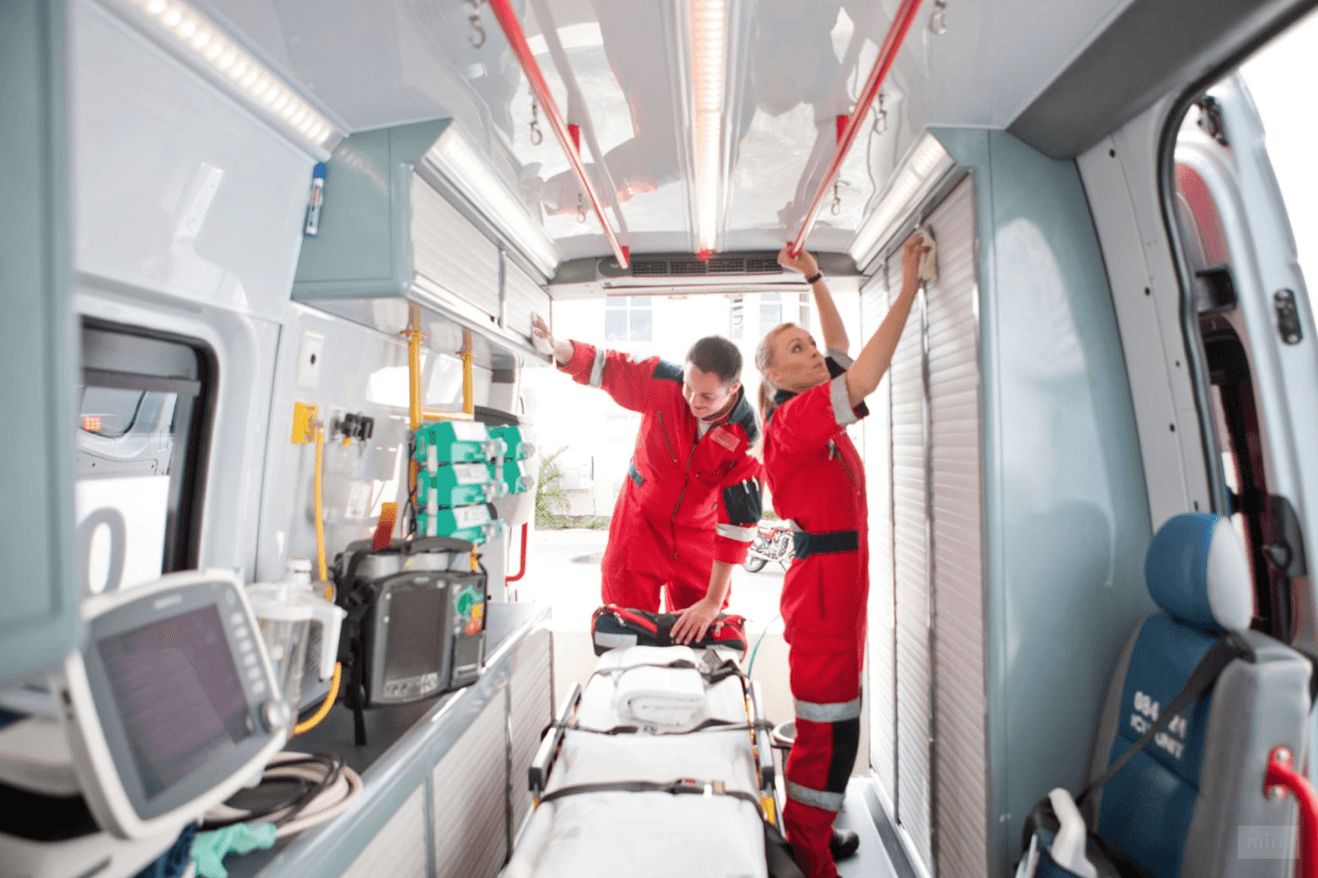
Paramedics in ambulance
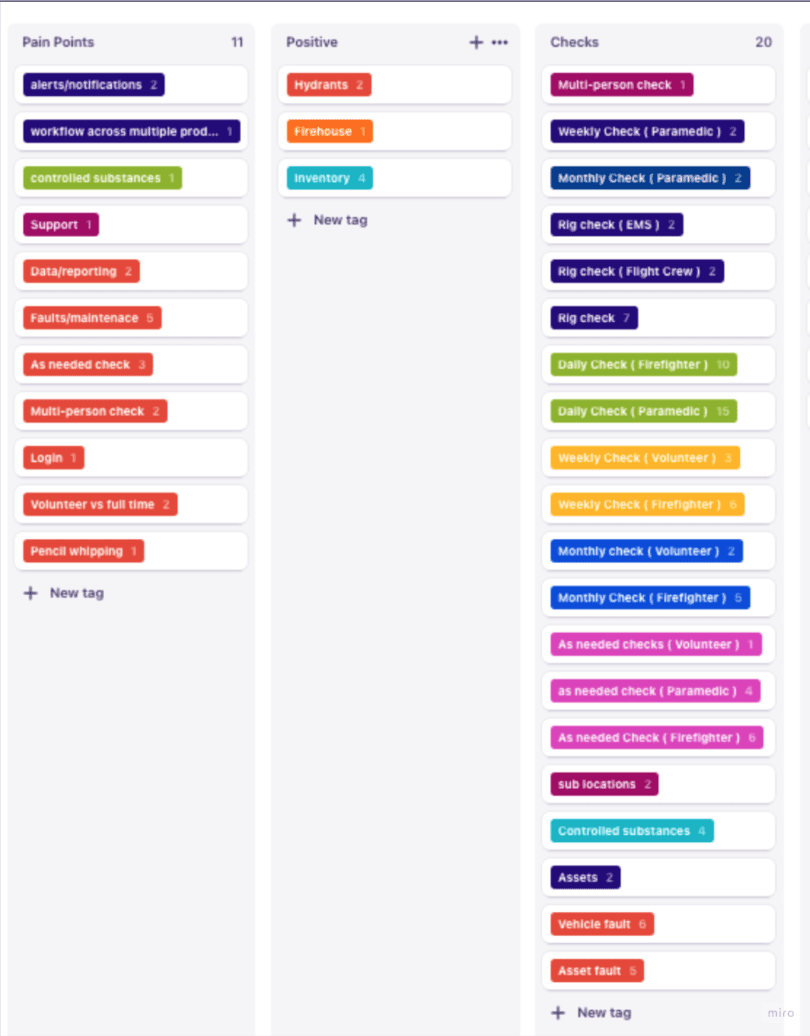
User research taxonomy

What I did

What I did

What I did

  • User research - 1:1 interviews, observation, usability testing


  • Collaborated with developers, Product team, SMEs


  • Synthesised research, mapped user flows and design concepts
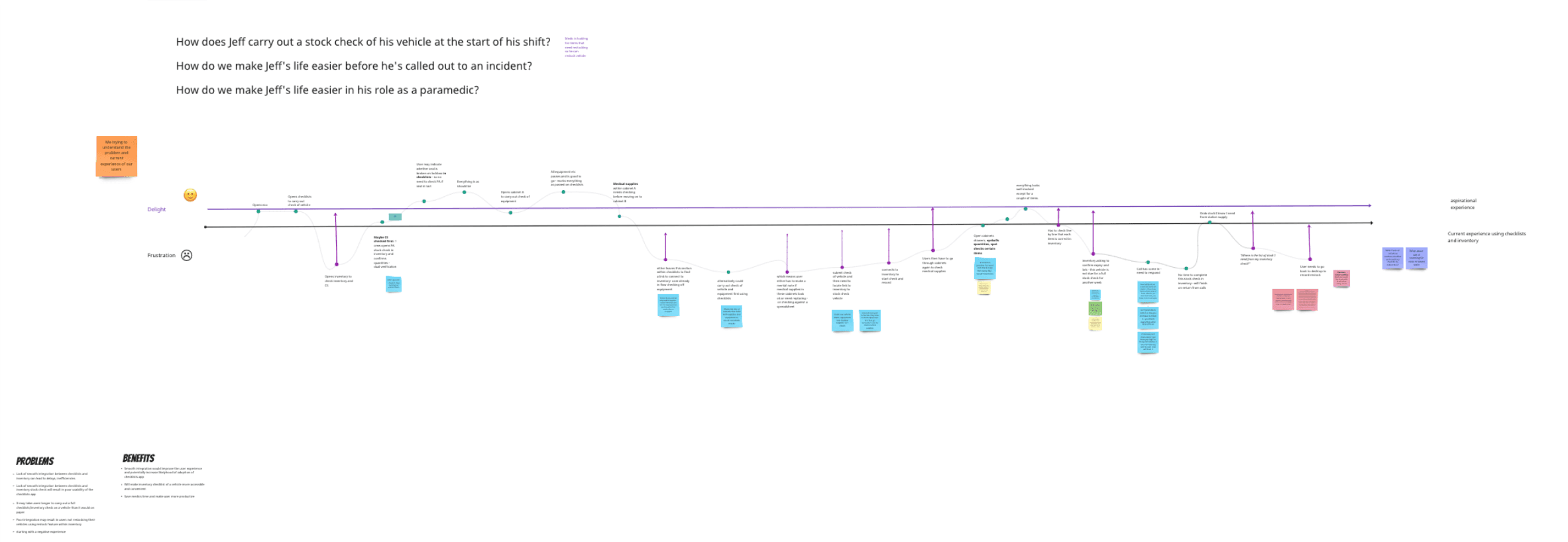
Alignment - understanding the user experience

Alignment - understanding the user experience

Alignment - understanding the user experience

I mapped the user experience for vehicle checks, identifying key touchpoints where customers interact with our products - Assets, Inventory and Checklists. I used this to communicate research insights with the product manager and lead developers to ensure there was a shared understanding of the problem to solve,

I mapped the user experience for vehicle checks, identifying key touchpoints where customers interact with our products - Assets, Inventory and Checklists. I used this to communicate research insights with the product manager and lead developers to ensure there was a shared understanding of the problem to solve,


User experience map
User experience map

Managing risk

Managing risk

Managing risk

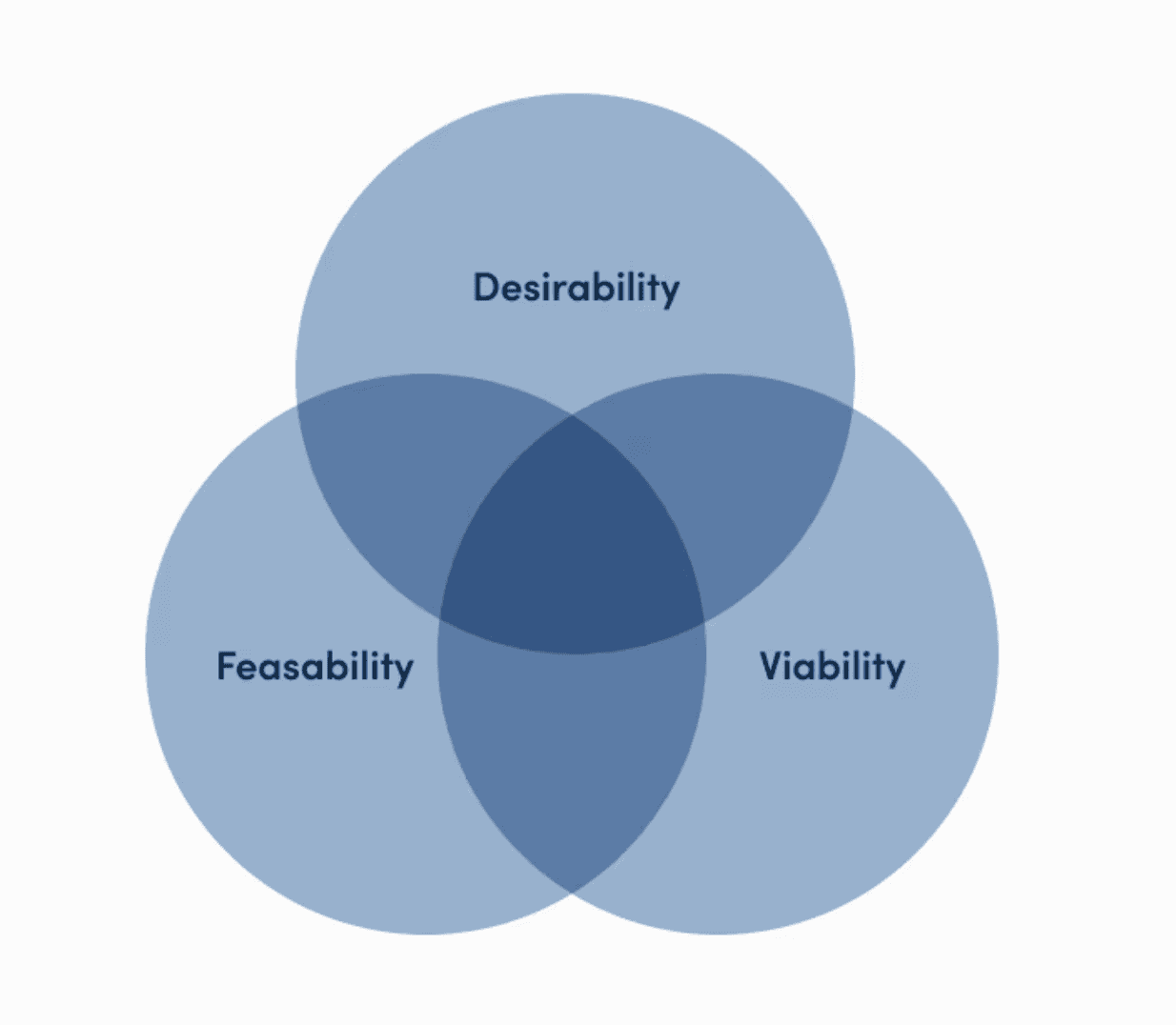
We explored creating a seamless transition between the two applications. In collaboration with the PM and development team, we mapped out user needs against technical feasibility to evaluate options.

What users needed to maintain continuity and what we could technically deliver in a reasonable timeframe didn't align. Development input revealed that our initial concept would require substantial backend work, far beyond a quick win.

Given competing priorities, I recommended we pause rather than ship a compromised solution. A "quick fix" wouldn't deliver meaningful value to users and risked creating technical debt. Instead, I advocated for deeper user research to properly understand the problem and explore alternative approaches that balanced user needs with technical constraints.

The team agreed, and we pivoted to a more thorough discovery phase.
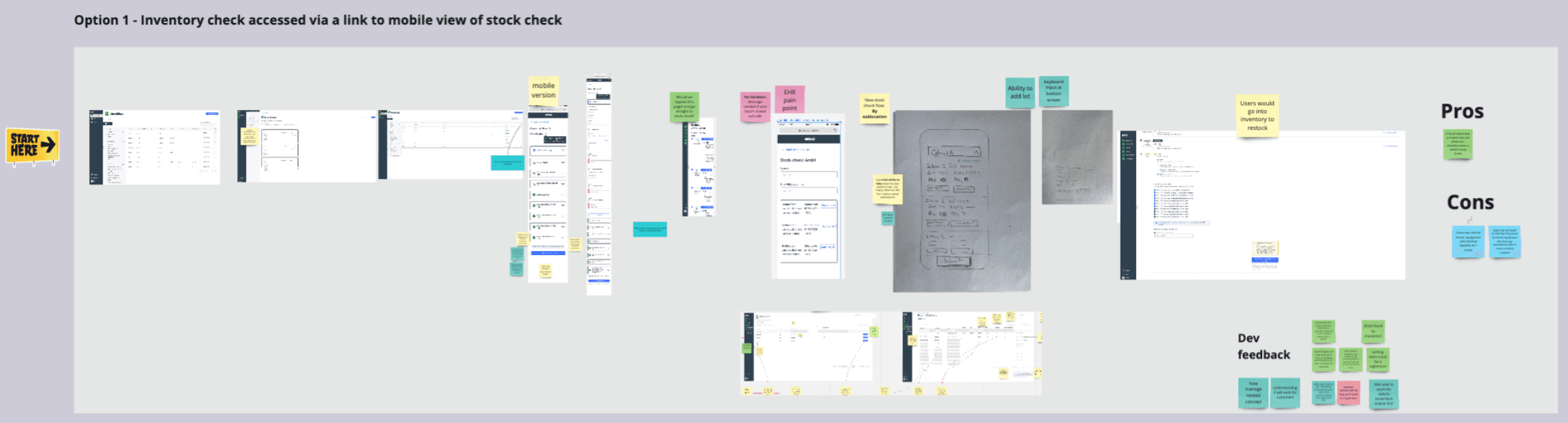
User flow
User flow
3 circle venn diagram showign desirability, feasability and viability

Outcome

Outcome

Outcome

Rather than shipping a compromised solution, I conducted deeper research that identified more feasible approaches. This work informed alternative solutions that balanced user needs with technical reality, and was committed to the following year's roadmap.

By pausing early, we:

  • Avoided development time on a solution that wouldn't deliver value

  • Gained clearer understanding of the problem space

  • Influenced strategic roadmap priorities with research-backed recommendations